
KITCHEN BACKSPLASH
Kitchen Backsplash Installation in Tampa Bay, FL
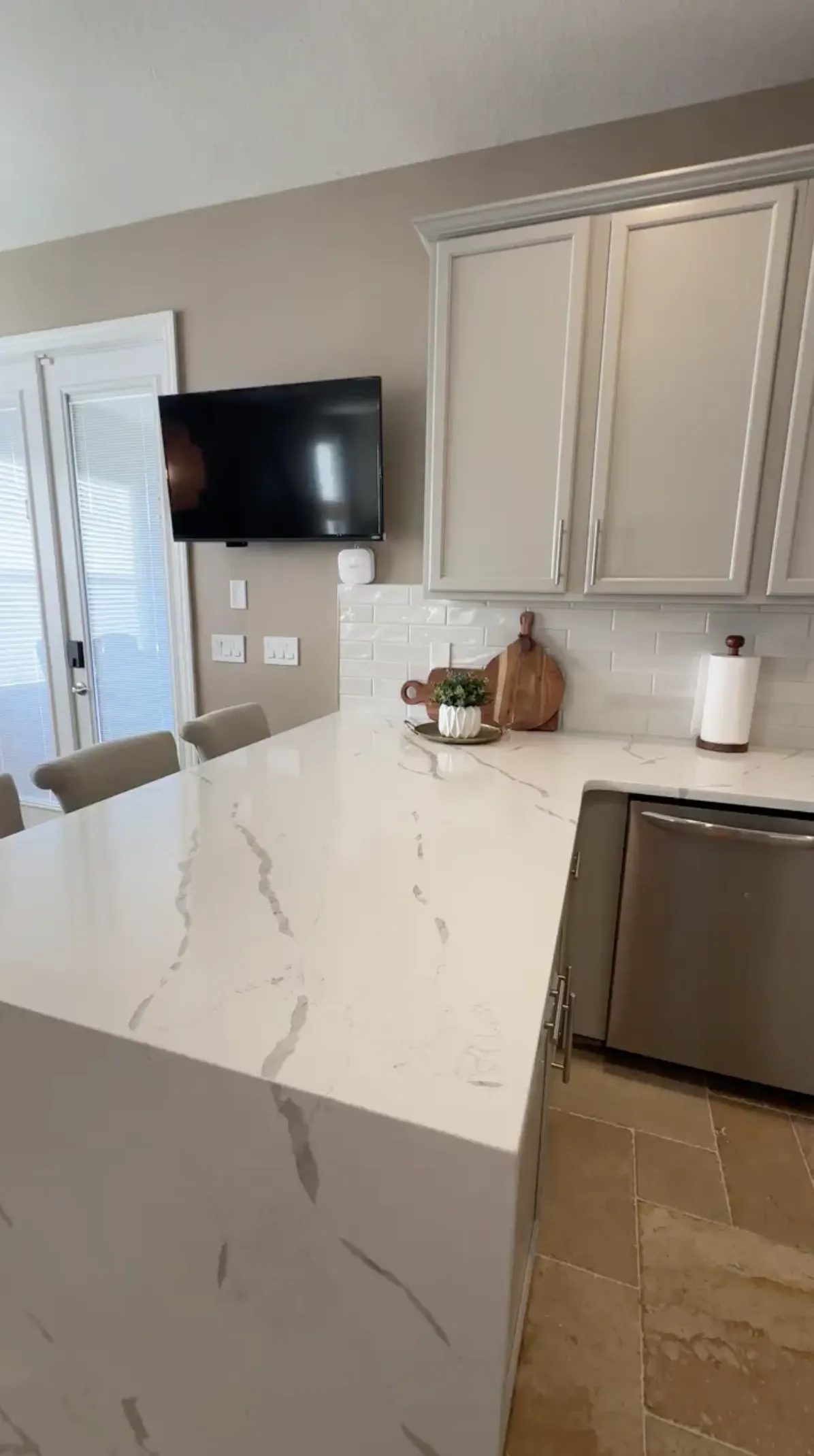
A well-installed kitchen backsplash can completely change how a kitchen feels — it's often the detail that ties countertops, cabinets, and flooring together into one finished look. J&L Tile Specialists installs custom backsplashes throughout the Tampa Bay area, from Clearwater to Brandon, with the precision and clean grout lines that make the difference between a backsplash that looks professional and one that just looks done.
J&L Tile Specialists Inc. serves the Tampa, St. Petersburg, Clearwater, Lakeland, Riverview, Brandon and More
KITCHEN BACKSPLASH
Kitchen Backsplash Installation in Tampa Bay, FL
A well-installed kitchen backsplash can completely change how a kitchen feels — it's often the detail that ties countertops, cabinets, and flooring together into one finished look. J&L Tile Specialists installs custom backsplashes throughout the Tampa Bay area, from Clearwater to Brandon, with the precision and clean grout lines that make the difference between a backsplash that looks professional and one that just looks done.
J&L Tile Specialists Inc. serves the Tampa, St. Petersburg, Clearwater, Lakeland, Riverview, Brandon and More
Is Involved in Backsplash Installation?
Backsplash installation looks simple from the outside, but precision matters more here than almost anywhere else in a kitchen. It starts with surface prep — making sure the wall is clean, level, and ready for tile — followed by careful layout planning around outlets, cabinets, and any focal points like a range hood or accent tile. From there, it's precise cutting, setting, and spacing before finishing with clean, consistent grout lines. Because a backsplash sits at eye level and covers a relatively small, highly visible area, small errors in alignment or spacing stand out far more than they would on a floor.
A Professionally Installed Backsplash Matters
A backsplash isn't just decorative — it protects your walls from grease, water, and everyday cooking mess, which means the tile and grout need to be sealed and installed correctly to actually do that job. Beyond function, it's one of the highest-impact, lowest-cost updates you can make to a kitchen. A dated or poorly installed backsplash can make an otherwise updated kitchen feel unfinished, while a clean, well-executed one pulls the whole room together. Because it's installed at eye level, uneven grout lines, mismatched cuts around outlets, or crooked rows are far more noticeable here than in a floor installation — which is exactly where experience shows.
Should You Consider a New Backsplash?
Consider a new backsplash if your current one is outdated, damaged, or was never installed to begin with. It's also one of the most worthwhile updates to pair with a broader kitchen remodel — new countertops or cabinets often make an old backsplash look even more out of place by comparison. And if you're preparing to sell, a clean, modern backsplash is one of the details buyers notice immediately when they walk into a kitchen.
Frequently Asked Questions
How long does backsplash installation take?
Most kitchen backsplash installations take 3-7 days depending on square footage and the complexity of the tile pattern.
Can you install a backsplash without replacing my countertops?
Yes, backsplash installation is independent of countertop work and can be done on its own.
How much does backsplash installation cost in Tampa Bay?
Cost depends on square footage, tile material, and layout complexity (patterned or accent tile takes more time than a simple grid). We provide free, no-obligation quotes.
What tile materials work best for a kitchen backsplash?
Ceramic, porcelain, and natural stone are all common choices — the right one depends on your kitchen's style, budget, and how much maintenance you want to deal with. We can walk you through options during your consultation.
READY TO TAKE THE NEXT STEP?
GET A FREE QUOTE TODAY!

Serving Homeowners Living in these areas
Tampa - St. Pete - Clearwater - Lakeland - Dade City - Brandon - Riverview - Valrico - Wesley Chapel - Spring Hill - Weeki Wachee
And anywhere within roughly 40 miles of Tampa.


